
Issue: 001
Reggaeton Weekly offers original, editorial-first reporting focused on one of the fastest-growing global music genres. The publication provides culturally grounded analysis of reggaeton and Latin urban music, combining journalism, historical context, and contemporary industry coverage.
All content is independently produced and written, with a consistent editorial schedule and a defined cultural niche that is underrepresented in mainstream music media. The publication contributes original reporting and commentary to the global music journalism landscape.
THE BIZZ of Perreo
Nightlife Has a Pricing Problem
For all the conversation around streaming, touring, and festivals, nightlife remains one of reggaeton's most overlooked economic engines.
One thing we've observed studying nightlife across the United States is a growing disconnect between artist appearance fees and the realities of local event economics. In many markets, artists and their teams are pricing themselves as if every appearance is taking place in Miami, New York, or Los Angeles, while promoters are operating within the constraints of smaller regional ecosystems.
The result? Fewer bookings, fewer events, and ultimately less money circulating throughout the culture.
The #1 rule of nightlife is simple:
Every room has a ceiling.
No matter how talented the artist, how strong the marketing, or how popular the genre, a venue can only hold so many people. A 1,000-cap venue can only sell 1,000 tickets. A venue with ten tables can only sell ten tables. There is a finite amount of revenue available on any given night.
Good nightlife business isn't about demanding the highest possible fee. It's about understanding the ceiling of the room and positioning yourself as close to that ceiling as possible without breaking the economics of the event.
The Anglo nightlife market offers plenty of examples. One reason promoters frequently cite when discussing artists like Tory Lanez is not necessarily his music—it's that he understood volume. Rather than chasing a handful of massive guarantees, he built a reputation for doing repeatable business at a number that worked for the venue, the promoter, and himself. By maintaining a fee structure that left room for everyone else to profit, appearances could happen consistently across multiple cities every week.
That's how nightlife ecosystems thrive.
When fees become disconnected from venue economics, everyone suffers:
Promoters stop taking risks.
Smaller markets get skipped entirely.
Venue owners reduce bookings.
Support staff lose work opportunities.
Fans lose access to artists.
The irony is that an artist making slightly less per appearance can often make substantially more money over the course of a year if they become bookable in twenty markets instead of five.
For reggaeton, this may be one of the biggest opportunities currently sitting on the table. The genre has demand. The fans exist. The venues exist. The question is whether artists, managers, and promoters can align around realistic economics that allow the entire ecosystem to grow.
Because in nightlife, sustainability beats scarcity almost every time.
Perreo Principle #001:
Know the ceiling of the room. The goal isn't to exceed it—it's to get as close to it as possible while leaving enough margin for everyone else to win.
GLOBAL HEADLINES
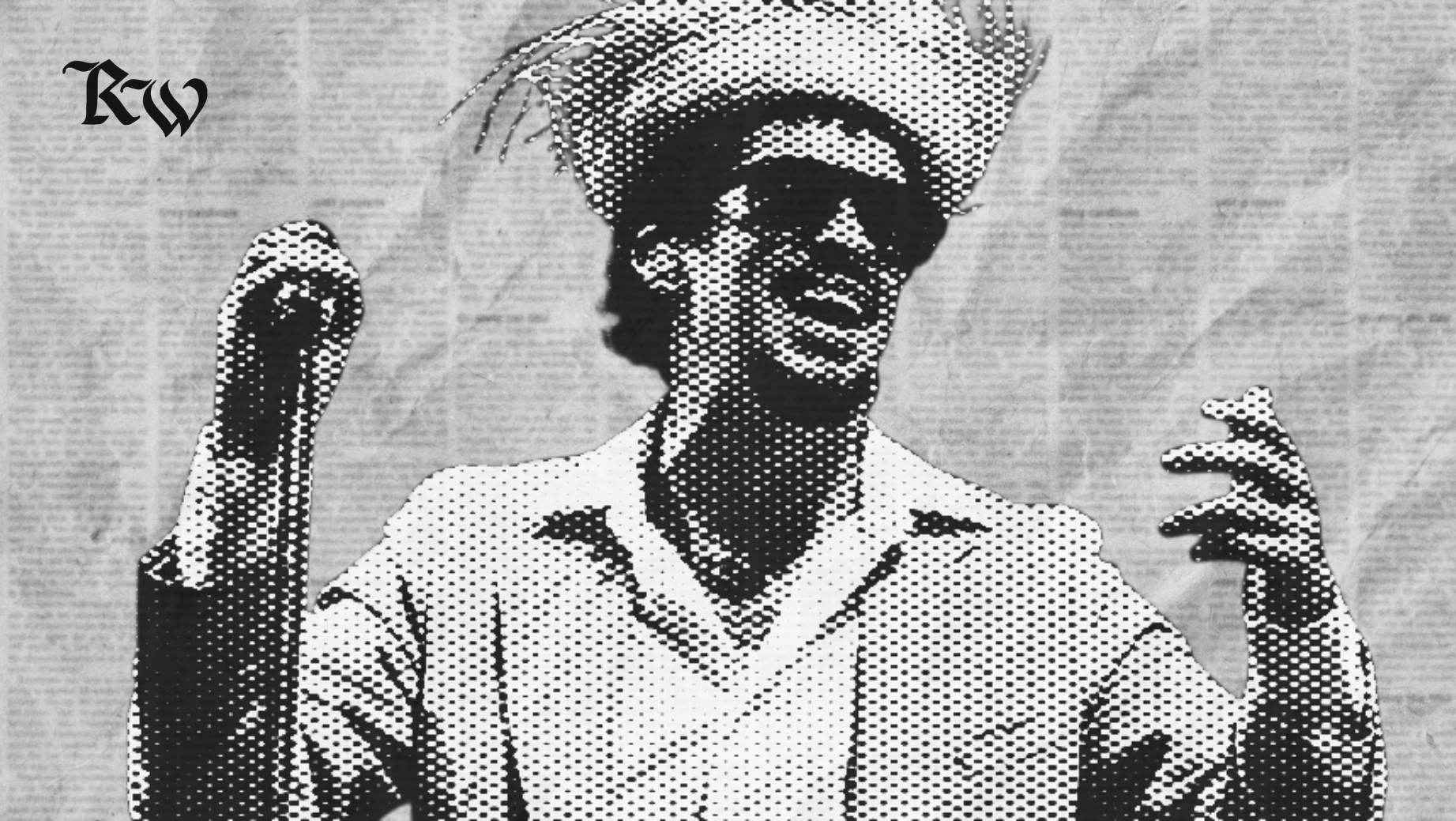
Puerto Rican superstar Bad Bunny added two more trophies to his ever-growing shelf at the 2026 American Music Awards this week, taking home Best Male Latin Artist and Best Latin Song for “NuevaYol.” The wins further cement Bad Bunny’s dominance not just within Latin music, but across global pop culture, as reggaeton and música urbana continue shaping the sound of mainstream music worldwide.
“NuevaYol” winning Best Latin Song also highlights the continued appetite for experimental, emotionally resonant reggaeton records that push beyond traditional formulas. While Bad Bunny’s commercial success is nothing new, these AMA wins arrive during another era-defining run for the artist, whose influence continues to impact fashion, touring, politics, and the international visibility of Puerto Rican culture.
KAROL G'S AMA TRIUMPH MARKS A NEW ERA FOR WOMEN IN REGGAETÓN
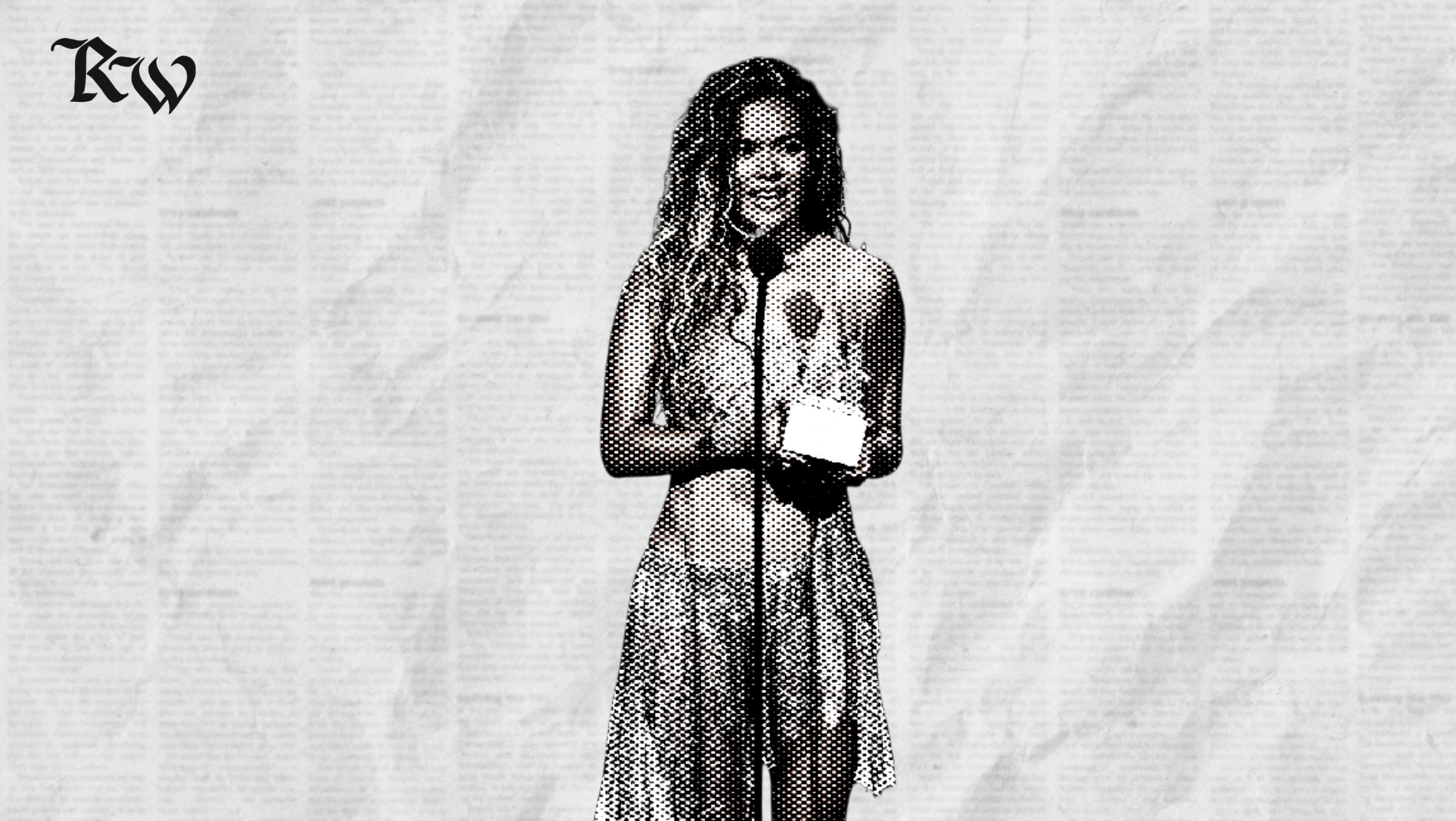
At the 2026 American Music Awards, Karol G added yet another milestone to a career that has redefined what is possible for women in Latin urban music. The Colombian superstar received the prestigious International Artist Award of Excellence—an honor reserved for artists whose impact extends beyond commercial success and into culture itself. She also won Best Latin Album for Tropicoqueta, capping off one of the most significant nights of her career.
For reggaetón fans, the moment represented much more than another trophy. It was a reminder of just how far Karol G has come—and how much she has changed the genre along the way.
For decades, reggaetón was dominated by men. The genre's global rise was built largely on the success of artists such as Daddy Yankee, Don Omar, Wisin & Yandel, and J Balvin. While women have always been part of reggaetón's story, few were afforded the same resources, visibility, or opportunities as their male counterparts.
Karol G entered the industry at a time when many executives still questioned whether a woman could become a global reggaetón superstar. Instead of adapting herself to fit the industry's expectations, she built a career on proving those assumptions wrong.
Her rise was gradual. Early releases established her as a promising voice in Colombia's urban scene, but songs like Ahora Me Llama, Mi Cama, and especially Tusa transformed her into an international force. Rather than existing as a featured guest in a male-dominated ecosystem, Karol G became the main attraction.
That distinction matters.
Many women before her achieved success in Latin music, but Karol G became one of the first artists to consistently command the commercial power, streaming numbers, arena tours, and cultural influence traditionally reserved for reggaetón's biggest male stars. She didn't simply earn a seat at the table—she expanded the table itself.
The numbers tell part of the story. Her albums have broken streaming records, sold out stadiums across multiple continents, and generated billions of plays worldwide. Her landmark album MAÑANA SERÁ BONITO became the first Spanish-language album by a woman to debut at No. 1 on the Billboard 200, a historic achievement that demonstrated the global demand for women-led Latin urban music.
Yet Karol G's impact cannot be measured solely through statistics.
She helped redefine what female success in reggaetón looks like. Her music embraces vulnerability alongside confidence. She can release a heartbreak anthem, a reggaetón club record, a pop crossover hit, or a nostalgic tribute to Latin culture without sacrificing her identity. In doing so, she has expanded the creative possibilities available to women entering the genre today.
The ripple effects are impossible to ignore. Artists such as Young Miko, Villano Antillano, Bad Gyal, and countless emerging performers are entering an industry where the blueprint for global success now includes women at the center.
That is why her AMA recognition feels significant.
The International Artist Award of Excellence was not simply awarded to a hitmaker. It was awarded to an artist whose influence has reshaped an entire musical landscape. During her acceptance speech, Karol G reflected on finding purpose through music and becoming a voice for others through her work.
Those words capture the essence of her journey.
Karol G's story is not merely about winning awards. It is about breaking through an industry ceiling that many thought was unbreakable. It is about proving that a woman can lead reggaetón's global conversation, sell out stadiums, headline festivals, and become one of the defining artists of her generation.
Her AMA victories are another chapter in that story—but they also serve as a symbol of something larger.
For years, women in reggaetón were often treated as exceptions.
Karol G has helped make them essential.
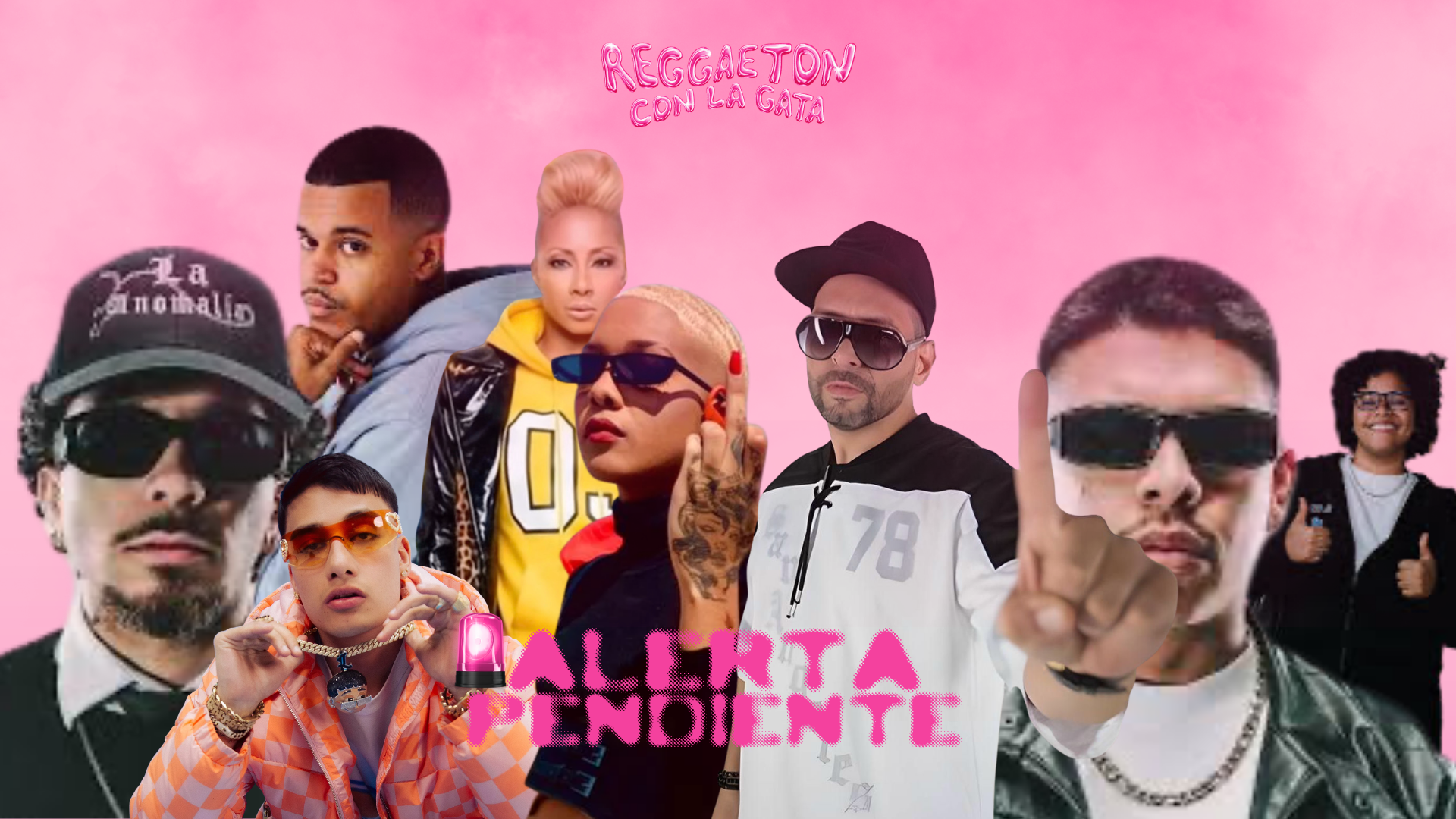
ALERTA PENDIENTE
ALERTA PENDIENTE
PERREO COUTURE
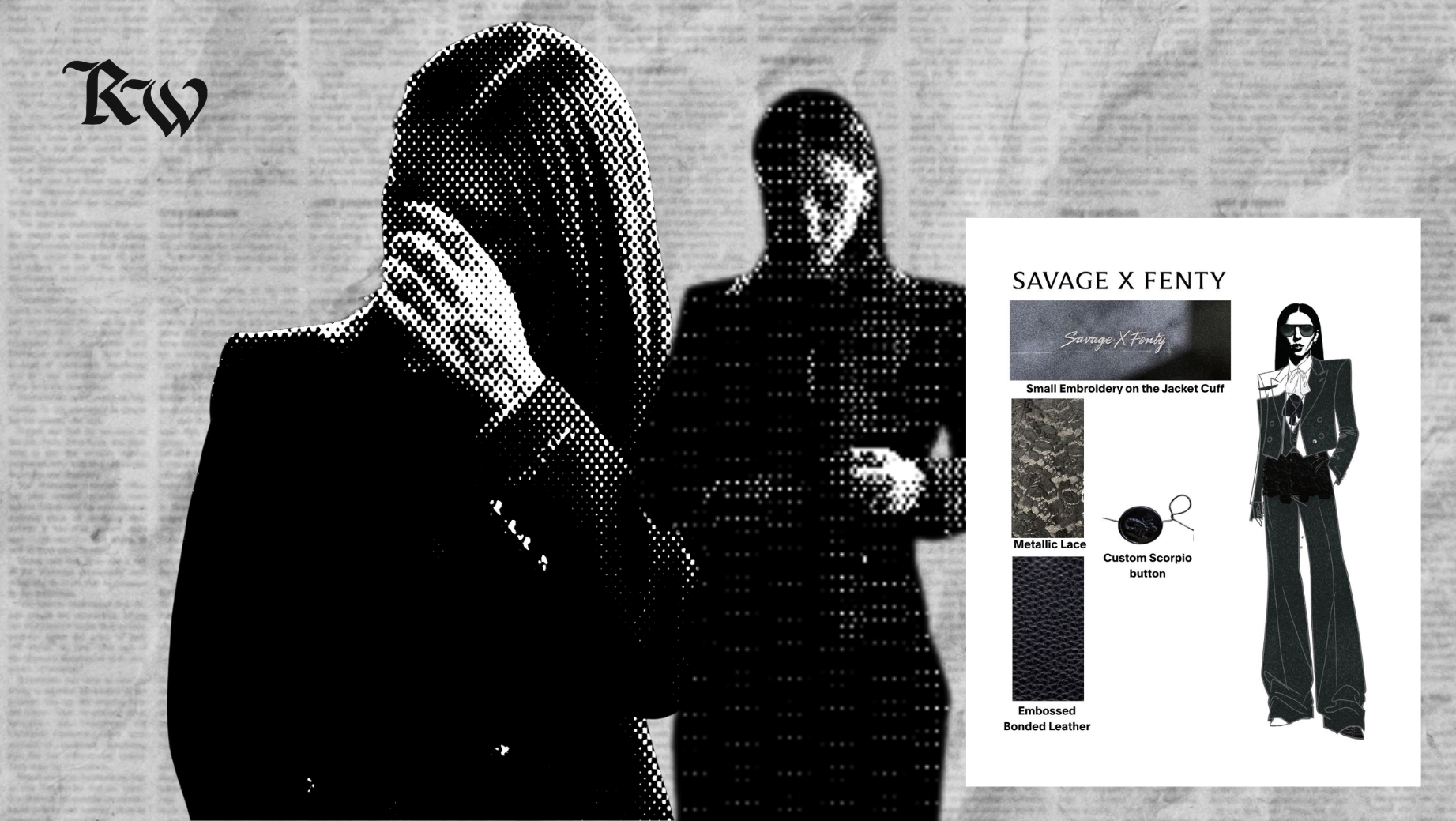
Young Miko brought reggaetón to the global anime stage at the 2026 Crunchyroll Anime Awards, turning heads in a custom Savage X Fenty suit. The Puerto Rican artist's appearance highlighted the growing intersection between Latin urban music, fashion, and anime culture—three worlds whose audiences increasingly overlap. Known for pushing boundaries both musically and stylistically, Miko's presence at one of anime's biggest international events further cements her status as a crossover cultural figure. While reggaetón artists have long dominated music charts, seeing one of the genre's leading stars on the Crunchyroll red carpet signals how far the culture's influence now extends beyond music, reaching fashion, gaming, and global fandom spaces.
More Than Music: Why Fashion Has Always Been Central to Reggaeton
When Young Miko stepped onto the red carpet at the 2026 Crunchyroll Anime Awards in a custom Savage X Fenty suit, it wasn't simply a fashion moment. It was another chapter in a story that has existed since reggaeton's earliest days: fashion as an extension of identity, aspiration, and cultural power.
To understand reggaeton, you have to understand that the genre has never been solely about music. Like hip-hop, one of its greatest influences, reggaeton is a culture. The music, the language, the movement, the attitude, and the style all exist as part of the same ecosystem.
The swag. The walk. The talk.
Fashion has always been one of the ways reggaeton artists communicate who they are before they ever touch a microphone.
From oversized jerseys and fitted caps in the early 2000s to luxury tailoring and designer collaborations today, reggaeton's visual identity has evolved alongside the genre's commercial growth. Yet many of its foundational influences remain the same.
One of the most significant influences on reggaeton fashion has always been New York City.
While reggaeton's roots stretch across Panama, Puerto Rico, Jamaica, and the broader Caribbean, the visual language of the genre has long been shaped by the relationship between Puerto Rico and New York. For decades, Puerto Ricans migrated between the island and the city, creating a constant cultural exchange that impacted music, language, dance, and style.
The Nuyorican experience became one of reggaeton's most visible reference points.
As Puerto Rican artists emerged as the dominant force within the genre, their influences naturally became the template through which many people understood reggaeton. The fitted hats, Timberlands, sports jerseys, sneakers, chains, and streetwear aesthetics that became synonymous with early reggaeton were often reflections of New York's influence filtered through a Caribbean lens.
This wasn't imitation.
It was translation.
Artists were taking the visual codes of hip-hop and adapting them to their own realities, neighborhoods, and identities. The result was a distinctly reggaeton aesthetic that felt familiar to fans of rap while remaining unmistakably Caribbean.
As reggaeton expanded globally, fashion became one of the primary ways artists differentiated themselves from one another.
Daddy Yankee's clean streetwear image projected authority. Tego Calderón's style reflected Afro-Caribbean pride and resistance. Don Omar embraced a darker, more dramatic visual language. Later generations would continue this tradition, with artists using fashion to build entire worlds around their music.
Today, fashion is no longer simply an extension of reggaeton's culture.
It's part of its business model.
Luxury brands, sportswear companies, beauty brands, and lifestyle labels increasingly view reggaeton artists as some of the most influential tastemakers in the world. Artists no longer wait for fashion's approval; fashion actively seeks them out.
And we would know, our Perreo 101® has partnered with fashion houses such as Louis Vuitton and Gap Inc to further their understanding of Reggaeton, on multiple occasions going as far back as 2022.
This shift reflects the genre's broader rise as a global commercial force.
Reggaeton artists are among the most streamed musicians on earth. They command enormous social media audiences, influence consumer behavior across multiple continents, and shape trends far beyond the Latin music market. Brands understand that a partnership with the right artist can provide access to highly engaged communities that traditional advertising often struggles to reach.
Young Miko's collaboration with Savage X Fenty is a reflection of that reality.
The partnership makes sense not only because of her popularity but because of what she represents culturally. Young Miko occupies a unique position within contemporary reggaeton, challenging traditional expectations around gender presentation, style, and self-expression while maintaining mainstream appeal. Her fashion choices are part of her artistic identity, making collaborations with fashion brands feel authentic rather than transactional.
That authenticity matters.
The most successful fashion moments in reggaeton history rarely happen because an artist wears expensive clothing. They happen when the fashion feels like a natural extension of the artist's story.
Bad Bunny's relationship with luxury fashion works because it reflects his willingness to challenge conventions. Karol G's style evolution mirrors her artistic transformation. Rauw Alejandro's fashion choices align with his interest in dance, performance, and contemporary design.
The clothing becomes part of the narrative.
As reggaeton continues to grow, fashion will likely become an even more important arena for the genre. Not just because of sponsorship opportunities or brand partnerships, but because fashion remains one of the most visible ways artists communicate culture.
Long before a fan presses play, they see the image.
And in reggaeton, image has always mattered.
From the streets of Puerto Rico and New York to red carpets around the world, fashion has helped tell the story of reggaeton's evolution. Young Miko's Savage X Fenty moment is simply the latest reminder that in this genre, style isn't separate from the music.
It's part of the culture itself.

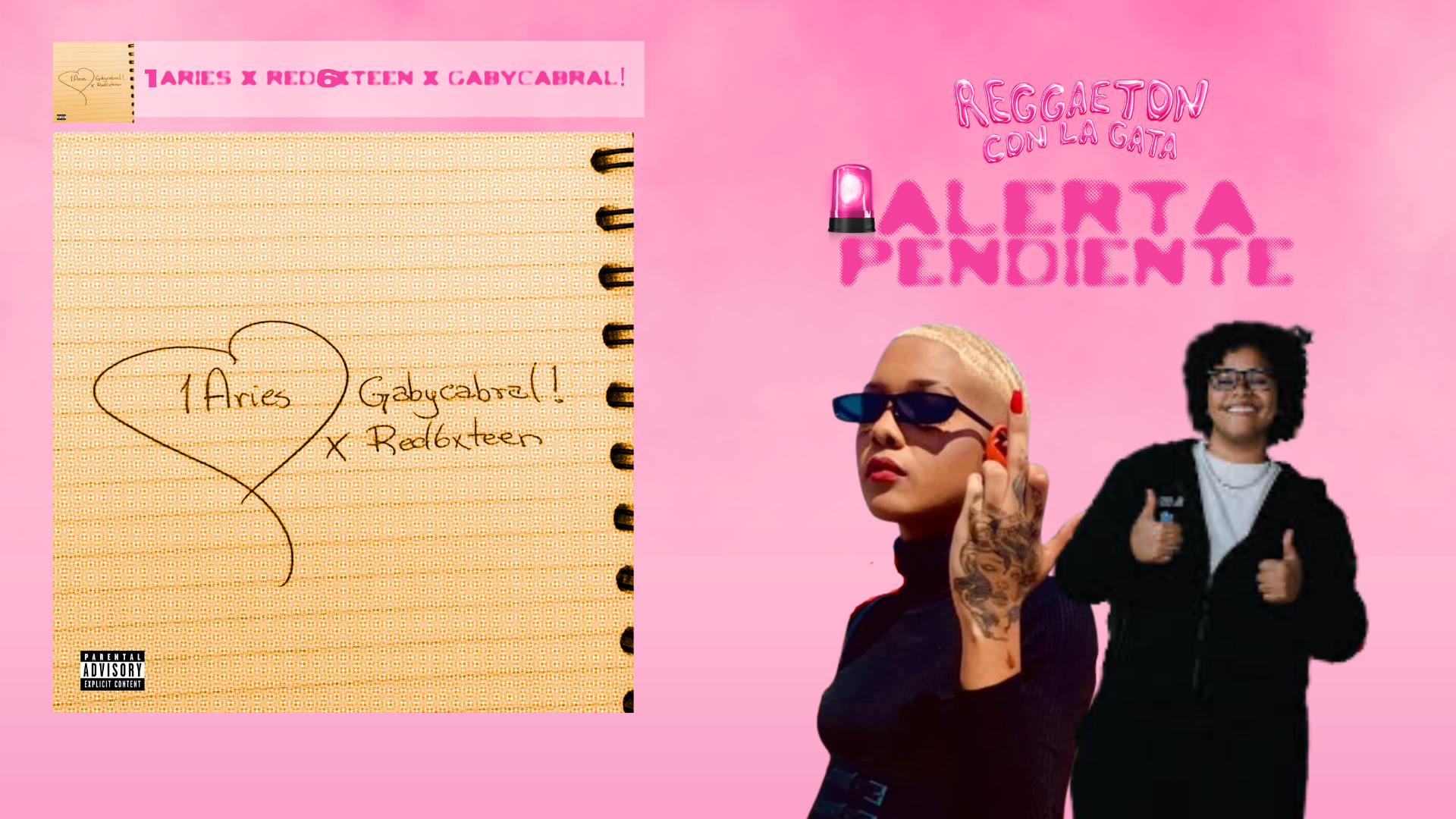
Alerta Pendiente Drop 004 Honors Queer Musicians in El Movimiento